


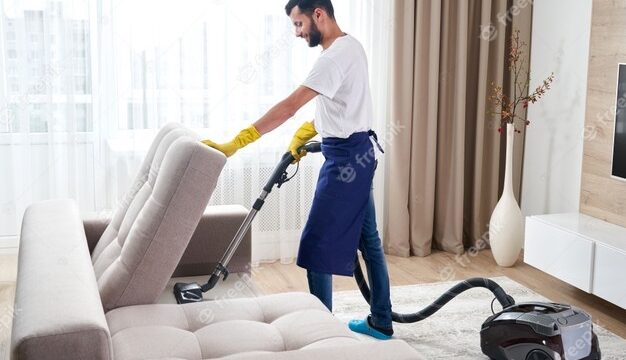
Best way to vacuum stairs in Florida homes for fast, effective results
The best way to vacuum stairs is to use a lightweight vacuum with strong suction, start at the top step, and clean each tread and riser in a slow, controlled pattern. Florida homes deal with sand, pet hair, and humidity that settle deep into stair surfaces. A methodical approach keeps debris from spreading down the staircase.
Start at the top so loosened dirt falls onto steps you haven’t cleaned yet. Move slowly, letting the suction pull debris out of corners and fibers. A small stair tool helps reach tight edges. Humidity can compact carpet, so a steady stroke pattern breaks everything loose.
Professional cleaning teams at Extreme Maids follow similar methods to keep Florida staircases free of buildup.
Tools and attachments that make stair vacuuming easier and safer
Homeowners need the right tools to vacuum stairs efficiently. Each tool speeds up the process and helps tackle the stubborn debris that Florida homes often collect. Sand, pet dander, and fine dust settle deep into corners, so the proper attachments matter.
Recommended tools and attachments
- Handheld vacuum
- Crevice tool
- Upholstery tool
- Stair tool or motorized mini-brush
- Extension hose
- Anti-slip gloves
- Flashlight for low-light stairwells
A handheld vacuum adds flexibility on narrow steps. Crevice tools reach tight spaces between treads and risers. Upholstery tools handle carpeted edges. A stair tool or mini-brush lifts compacted fibers. An extension hose helps you keep the main unit safely at the bottom. Anti-slip gloves improve grip on railings, which is helpful in humid weather. A flashlight reveals hidden dirt in darker stairwells. Each tool cuts cleaning time and reduces physical strain.
How to vacuum carpeted stairs correctly for deep cleaning
Vacuuming carpeted stairs correctly requires slow, overlapping strokes that lift debris trapped deep in the fibers. A quick pass never reaches embedded dirt, especially in Florida where humidity weighs down carpet and makes particles settle tightly.
Start by vacuuming the horizontal tread, then the vertical riser. Work in short strokes to pull up fibers instead of flattening them. Move from corner to corner so nothing stays behind. A second pass in the opposite direction gives the carpet a fuller lift. Humidity compacts fibers, so taking your time helps the vacuum draw out the trapped sand, hair, and dust that stick most stubbornly in carpeted stairs.
Best technique for vacuuming hardwood, laminate, or tile stairs without scratching
Vacuuming hardwood, laminate, or tile stairs works best when the vacuum uses a soft-brush or suction-only setting. Hard floors need gentle handling because Florida sand can scratch surfaces quickly. A controlled approach helps you avoid marks and streaking.
Start by checking the vacuum head for rough edges. Suction-only modes pick up debris without dragging particles across the step. Move slowly so you don’t miss dust lines along the edges. Light humidity can make streaks more noticeable, so finish with a dry cloth if needed. A careful pattern protects the finish and keeps the stairs looking clean without adding unnecessary wear.
How to handle pet hair, sand, and fine debris on stairs
Pet hair, sand, and fine debris stick to stairs because humidity creates static and pushes particles deeper into fibers. Florida homes experience this daily, especially in households with pets or beach access. A targeted approach makes the work faster and far less frustrating.
Pet-hair micro-techniques
- Lift hair with short, slow strokes to break static hold
- Vacuum edges first where hair gathers naturally
- Use a brush attachment to loosen embedded strands
- Finish with a second pass to collect fine debris
Sand settles quickly, so move in tighter patterns along the riser. Humidity pushes dust into corners, making stair attachments especially useful.
Stair safety tips while vacuuming for homeowners of all ages
Stair safety begins with good footing and steady posture. Keep one hand on the railing when possible and place your feet firmly before moving to the next step. Good lighting helps you see edges clearly, especially in enclosed stairwells common in Florida homes.
Position the vacuum cord behind you so it never crosses the step you are cleaning.
Heavy vacuums increase the risk of slipping, so place the main unit at the bottom and use a hose or handheld tool for the work. Lightweight equipment reduces strain and gives you better balance on narrow treads.
Extreme Maids Florida – Expert guidance on the best way to vacuum stairs for a cleaner home
Expert support from Extreme Maids helps Florida homeowners vacuum stairs with better results and far less effort. Staircases collect sand, pet hair, and tracked-in debris at a faster pace in humid areas, so guidance matters.
Professional teams use steady, methodical strokes and targeted attachments to lift debris from corners and risers.
Homeowners also gain a maintenance routine they can use between deep cleanings. Clean stairs make the whole home feel fresher, especially in multi-level properties. Florida residents interested in stronger cleaning support can explore service options at Extreme Maids today!
FAQs – Best Way to Vacuum Stairs
How to properly vacuum stairs?
You properly vacuum stairs by starting at the top, using slow strokes, and cleaning each tread and riser in a controlled pattern. Attachments help reach tight corners and improve suction on edges.
What is the best way to clean carpeted stairs?
The best way to clean carpeted stairs is to vacuum with overlapping strokes that lift compacted fibers. Start with the tread, move to the riser, and repeat the pattern to catch embedded debris.
What is the 25 rule for stairs?
The 25 rule for stairs refers to keeping each stair’s total rise and run near twenty-five inches for comfortable climbing. While it guides stair construction, the rule helps cleaners understand why debris settles at specific angles on each step.